Composite Bonding in Cambridge
Refine your smile with natural-looking composite bonding Cambridge
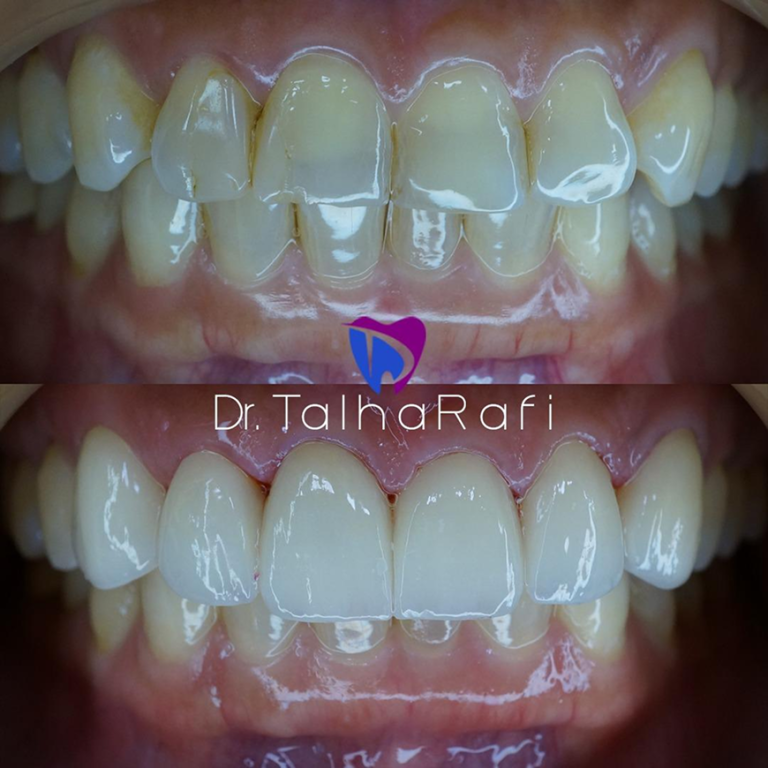
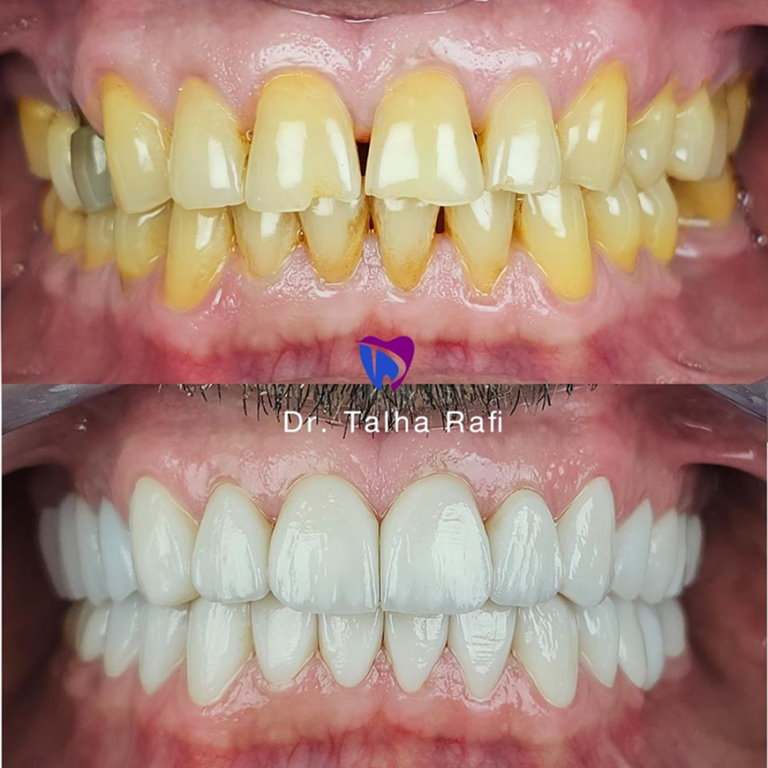
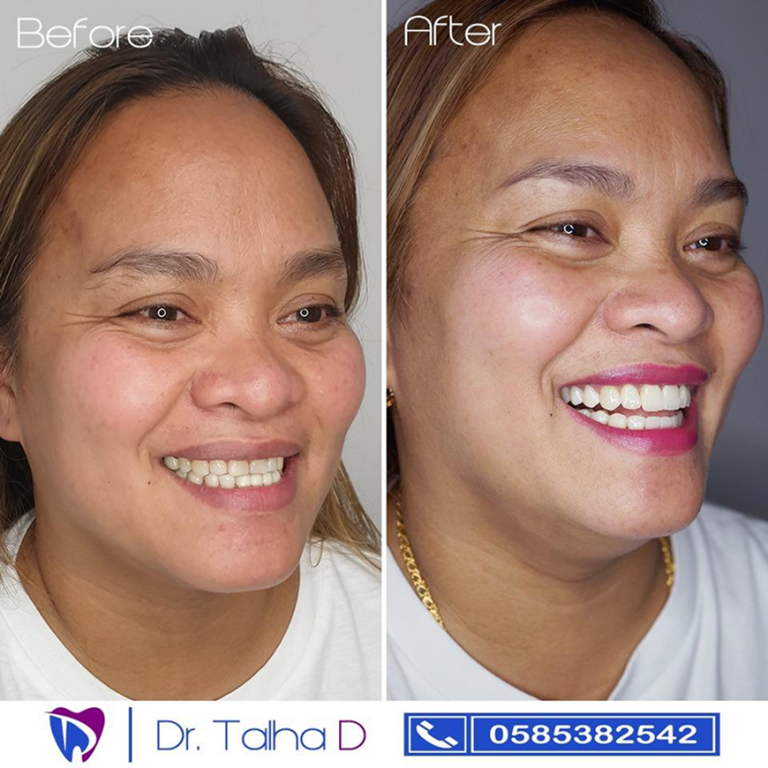
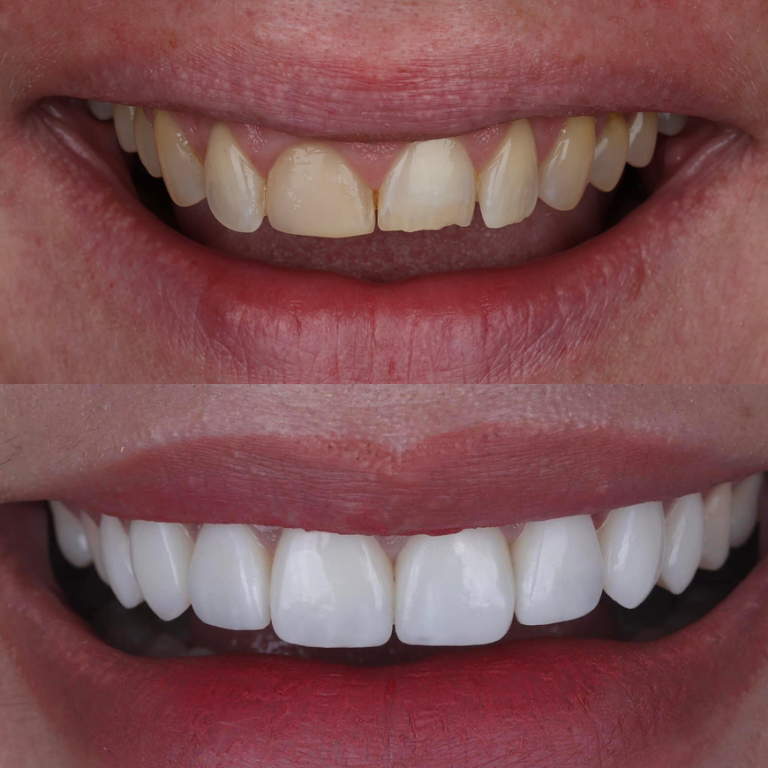
Even when your teeth are healthy, small flaws can still make you feel conscious about your smile. Composite bonding Cambridge is a straightforward way to improve the look of chipped, uneven, or slightly discoloured teeth without needing complex treatment.
At the practice of Mr Mohammed Talha Deliwala, composite bonding is approached with precision and restraint, focusing on subtle, natural results that suit your features rather than changing them completely.
What is Composite Bonding?
Composite bonding is a cosmetic dental procedure that utilizes a tooth-coloured resin material to improve the shape, size, or colour of teeth. The material is carefully applied, shaped, and polished to blend seamlessly with your natural teeth.
It is widely used to address minor concerns such as:
- Small chips or cracks
- Gaps between teeth
- Uneven edges
- Mild discolouration
- Slightly misshapen teeth
The material used is the same composite resin commonly applied in fillings, but here it is sculpted with a more aesthetic focus.
Composite Bonding Cambridge: What to expect
Process for composite bonding Cambridge involves:
1. Consultation and assessment
Your teeth and gums are assessed to ensure they are healthy. A detailed discussion follows about your concerns and expectations.
2. Shade matching
The composite resin is matched carefully to your natural tooth colour to ensure consistency.
3. Tooth preparation
The tooth’s surface is gently prepared. This step is minimal and does not usually involve drilling.
4. Application and sculpting
The composite material is applied and shaped by hand to achieve the desired contour and symmetry.
5. Curing and polishing
A special light hardens the material, after which it is polished to give a smooth, natural finish.
Most cases are completed in one appointment, making it a practical solution for busy schedules.
What can Composite teeth bonding fix?
Composite teeth bonding is suitable for a range of minor cosmetic concerns.
It is commonly used to:
- Repair chipped or worn edges
- Close small gaps between teeth
- Improve tooth proportions
- Cover surface stains or discolouration
- Create a more even smile line
Because the material is mouldable, it allows careful control over shape and detail, which is essential for front teeth.
Composite Bonding
Does Composite Bonding hurt?
Composite bonding is generally a comfortable procedure. Since it works on the outer surface of the tooth, it rarely involves the inner nerve.
- Anaesthesia is usually not required
- Mild sensitivity may occur briefly afterwards
- Most patients return to normal activities immediately
This makes it suitable for those who prefer a low-intervention approach.
Composite Bonding cost Cambridge and the UK
One of the most common questions relates to dental bonding cost UK and how it varies.
What affects composite bonding cost?
- Number of teeth treated
- Complexity of shaping required
- Extent of correction needed
- Experience and approach of the dental therapist
General guidance
- Composite bonding cost UK is lower than veneers
- Composite bonding cost Cambridge may vary depending on the clinic and case details
- You will receive a clear treatment plan with exact costs before proceeding
This transparency allows you to make an informed decision without uncertainty.
How long does Composite Bonding last?
Composite bonding is not permanent, but it can last for several years when looked after properly.
Average lifespan: The longevity of composite bonding varies between individuals and depends on lifestyle factors, oral hygiene, and the extent of treatment. Your clinician will discuss realistic expectations during your consultation and advise on how to care for your results. It may need occasional polishing or small repairs.
Compared to porcelain restorations, composite is more likely to:
- Pick up stains over time
- Chip with pressure
- Show signs of surface wear
That said, it can be adjusted or repaired more easily when required.
Caring for Composite Bonding
To keep your results looking their best, a few simple habits help:
- Brush twice daily using a soft-bristle brush
- Floss regularly
- Limit drinks like coffee and tea that can stain
Avoid biting items such as pens or ice
Keep up with routine dental check-ups
These steps help maintain both the look and durability of the bonding.
Composite Bonding vs Veneers
Patients always compare composite bonding with veneers.
Composite Bonding
- Minimal preparation
- requires minimal tooth preparation
- Lower cost
- Suitable for small changes
Note: Composite bonding involves a lower level of tooth preparation than porcelain veneers and does not permanently alter the underlying tooth structure in most cases. However, the enamel etching step means the process is not entirely without any tooth surface change. Your clinician will discuss this fully before treatment.
Veneers
- More durable
- Greater stain resistance
- longevity varies — your clinician will advise
- Better for more extensive transformations
The right option depends on your goals. A consultation helps determine what will give the most stable and natural outcome.
Who is suitable for Composite Bonding?
Composite bonding is most suitable if:
- Your teeth and gums are healthy
- You have minor cosmetic concerns
- You prefer a conservative approach
- You want quick results without extensive procedures
It may not be ideal for severe misalignment or major structural issues, where other treatments may be more effective.
Why choose Composite Bonding UK?
Composite bonding has become one of the most requested cosmetic treatments across the UK due to its simplicity and versatility. Key reasons patients choose composite bonding UK include:
- Minimal or no removal of natural tooth structure
- Usually completed in a single visit
- Natural colour matching for seamless results
- More affordable compared to veneers
- Immediate visible improvement
For patients seeking refinement rather than dramatic change, this treatment offers a balanced and conservative option.
Why trust Mr Mohammed Deliwala and choose this approach for Composite Bonding Cambridge?
Mr Mohammed Talha Deliwala is a dental therapist with a special interest in aesthetic and restorative dentistry. His approach focuses on careful detailing, natural proportions, and patient-specific outcomes for the best composite bonding UK.
Each treatment is planned with attention to balance, ensuring that changes look appropriate rather than artificial.
- Focus on subtle, natural enhancements
- Conservative treatment philosophy
- Clear, honest guidance on suitability
- Attention to symmetry, colour, and proportion
- Personalised planning rather than one-size solutions
A practical way to improve your smile
Composite bonding offers a straightforward way to improve your smile without extensive intervention. For many patients, it provides the right balance between aesthetics, cost, and simplicity.
If you are considering composite bonding Cambridge, a consultation is the best place to start. It allows you to understand what is possible, what will suit your features, and whether this approach is right for you.
Frequently Asked Questions
Most treatments are completed in a single visit, depending on the number of teeth involved.
Costs vary based on complexity and the number of teeth. A detailed plan is provided after assessment.
Composite bonding is a conservative treatment. In most cases, only minimal tooth preparation is required, and healthy enamel is preserved. The surface is lightly etched to help the material bond securely. Your clinician will explain the full process, including long-term care and what future repairs may involve.
Yes. It is commonly used to close small gaps and improve symmetry.
Good oral hygiene, avoiding staining foods, and regular check-ups help maintain results over time.