
How to Fix Broken Teeth?
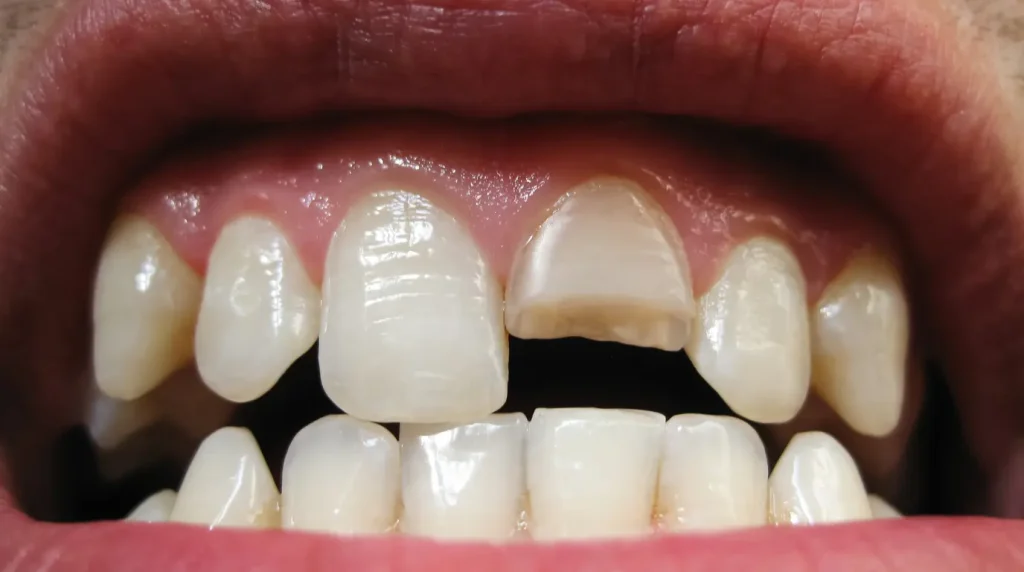
If you’ve chipped a tooth on something hard, or woken up with a jagged edge you didn’t have yesterday, you’re probably looking for two things: how to stop the pain, and how to fix a broken tooth properly.
The good news is that a broken tooth is one of the most common dental injuries, and in most cases, it can be repaired quickly and comfortably.
Guided by Mr Mohammed Talha Deliwala, a GDC-registered dental therapist in Cambridge with a special interest in non-invasive tooth repairs and composite bonding, this blog covers everything you need to know to treat broken teeth, manage discomfort, and choose the right repair strategy.
Key takeaways:
|
What causes a broken tooth?
Your tooth enamel is the hardest substance in the human body, but it can still chip, crack or break. Trauma, repeated pressure and underlying dental problems can all weaken a tooth over time.
Common causes of a broken tooth include:
- Physical trauma: A fall, sports injury or blow to the face can chip or fracture a tooth.
- Biting hard foods: Ice, hard sweets, nuts and unpopped popcorn kernels can put too much pressure on a tooth.
- Teeth grinding: Regular clenching or grinding, particularly during sleep, can place extra stress on your teeth and increase the risk of cracks.
- Tooth decay or large fillings: Decay can weaken the inside of a tooth. Large fillings can also leave less natural tooth structure to support it, making the tooth more prone to breaking.
- Age-related wear: Over time, teeth endure millions of bites. Natural wear and tear make enamel more brittle as we age.
What should you do if you break a tooth?
If you have just suffered a broken or chipped tooth, taking the right steps before you reach the dental clinic can help relieve pain and increase the chances of saving your natural tooth.
Until you can see a dental professional:
- Rinse your mouth gently with warm water to clear away any loose bits around the tooth.
- Avoid chewing on the broken tooth, as pressure could make the damage worse.
- Choose softer foods if chewing is uncomfortable.
- Continue brushing your teeth gently and keep the area clean.
- Cover any sharp edge with sugar-free chewing gum or dental wax so it doesn’t cut your tongue or cheek.
- If there is swelling, an ice pack held against the outside of your face may help.
- If a piece of tooth has come away, keep it in milk or saliva and bring it with you. In some cases, the fragment can be reattached.
Depending on how deep the fracture is, the dental therapist may be able to glue the broken piece back onto the tooth, but even if you can’t find it, your tooth can usually still be rebuilt with tooth-coloured filling material.
How to fix broken teeth: Treatment options
1. Composite bonding
Composite bonding is usually the first choice for small to moderate chips. A tooth-coloured resin is applied to the damaged area, shaped to rebuild the tooth’s natural contour, and hardened with a curing light, all in a single visit with no drilling and usually no anaesthesia.
A skilled dental therapist can shade-match the resin so closely that the repair is hard to spot, which is why it’s a popular choice for front teeth.
- Best for small to moderate chips
- Completed in one appointment
- Minimal removal of healthy tooth structure
- Natural, shade-matched finish
2. Tooth-coloured fillings
When more structural loss is involved, especially on back teeth under heavier chewing pressure, a tooth-coloured filling is often more durable. Unlike old metal amalgam, this composite material bonds directly to the tooth, restoring both strength and appearance.
Your dental therapist cleans out any damaged material first, then builds the filling in layers to match your natural bite.
- Suits moderate breaks, especially on molars and premolars
- Restores chewing function as well as appearance
- Bonds directly to the remaining tooth
- Can also replace old metal fillings if needed
3. Reattaching the original fragment
If you found the broken piece and stored it in milk or saliva, your dental therapist may be able to bond it straight back onto the tooth. This is often the most conservative option, since it uses your own natural tooth rather than a replacement material.
It isn’t always possible; it depends on how well the fragment was preserved and how much time has passed, but when it works, the result is a near-perfect natural match.
- Uses your own tooth rather than a replacement
- Best when the fragment was kept moist
- Often gives the most natural result
- Confirmed as an option only after assessment
Other options for more severe breaks
- Dental crown: Covers and strengthens a tooth with a larger broken portion.
- Root canal treatment: Needed if the break has reached and inflamed the nerve, usually followed by a crown.
- Extraction and replacement: For fractures below the gum line that can’t be repaired, replaced with a bridge, denture, or implant.
Crowns, root canal treatment, extractions and implants sit outside a dental therapist’s scope of practice. Where a tooth needs one of these, Mr Mohammed Deliwala will assess it, explain what’s involved, and arrange for the treatment to be carried out by one of the dentists at the practice, so your care stays in one place
What to do for broken tooth pain relief before treatment?
Experiencing sharp or constant discomfort from broken teeth requires prompt attention. While waiting for your appointment, these conservative steps will keep you comfortable:
- Avoid extremes: Steer clear of ice-cold drinks, piping-hot soups, and highly acidic or sugary foods that can trigger exposed nerve endings.
- Soft diet: Chew strictly on the opposite side of your mouth, opting for soft items like yoghurt, scrambled eggs, warm porridge, and soups.
- Elevate your head: When sleeping, prop your head up with an extra pillow, which some people find reduces throbbing pain at night.
- Try a salt-water rinse: Gently rinse with warm salt water to help keep the area clean. Avoid vigorous rinsing if the tooth is very sore.
What happens if you leave it untreated?
Ignoring a painless chip can let the problem grow. Untreated broken teeth can lead to:
- Bacteria entering the exposed dentine increases the decay risk
- The crack spreading further with normal chewing pressure
- Nerve irritation developing into an infection or an abscess
- Changes to your bite as you favour the uninjured side
- A simple repair turning into a more complex treatment, like a crown or root canal
Even painless breaks are worth checking within a week or two, so small issues stay small.
Preventing broken teeth: Long-term oral protection
- Wear a custom mouthguard: Protect your teeth with a fitted sports guard during contact sports, or a custom nightguard if you suffer from nighttime teeth grinding (bruxism).
- Abandon bad habits: Never use your teeth as tools to tear open plastic packaging, crack open nuts, or chew on stationery items.
- Routine dental check-ups: Regular hygiene cleans and routine exams with a trusted practitioner like Mr Mohammed Talha Deliwala catch early enamel weakness, hairline micro-cracks, and micro-cavities before they turn into full tooth fractures.
- Maintain good hydration & oral care: Brushing twice daily with fluoride toothpaste strengthens enamel against acid wear, reducing structural brittleness.
Why choose Mr Mohammed Talha Deliwala for broken tooth care in Cambridge?
Repairing a broken tooth is not simply about filling the missing piece. The type and depth of the damage need to be assessed first, followed by careful attention to the tooth’s shape, colour and bite. This is particularly important with composite bonding, where the repair is visible when you smile.
Mr Mohammed Talha Deliwala, a dental therapist based in Cambridge, offers:
- A particular focus on composite bonding and conservative, minimally invasive repair
- An approach centred on preserving as much of your natural tooth as possible
- Care built around restoring a comfortable bite and a natural-looking smile
Patients searching for broken tooth repair in Cambridge can book a consultation to have the damage properly assessed and discuss the most suitable treatment for their tooth.

About the author
Mr Mohammed Talha Deliwala
BDS – Rajiv Gandhi University of Health Sciences
13+ Years Experience
3 Countries Practice Experience
GDC Registered Dental Therapist (UK)
Former Medical Director, Dubai
Expert in Cosmetic & Preventive Dentistry
Mr Mohammed Talha Deliwala is a UK-based dental therapist with over 13 years of clinical experience across India, the UAE, and the United Kingdom. He holds a Bachelor of Dental Surgery (BDS) from Rajiv Gandhi University of Health Sciences and specializes in preventive, restorative, and cosmetic dentistry, including teeth whitening, composite bonding, and periodontal therapy. Known for his patient-focused approach, he is committed to delivering comfortable, evidence-based dental care that promotes long-term oral health and confident smiles.
FAQs
No. A cracked or broken tooth cannot repair itself. Even if it does not hurt, it is worth having it checked to see how much damage has occurred.
Not always. Without pain, bleeding, or swelling, a routine appointment is usually fine. Severe pain or a knocked-out tooth needs urgent care the same day.
Composite bonding is not permanent, but it is long-lasting with proper care.
Modern repair procedures are smooth and comfortable. Minor composite bonding for a broken tooth often requires no numbing injections at all. For deeper repairs or root canal treatments, a local anaesthetic ensures you feel no discomfort throughout the process.
The break has likely exposed the dentine layer beneath the enamel, which is more sensitive. It’s a sign to get checked soon.
Seek urgent dental care if you have severe pain, facial swelling, significant bleeding, fever or a completely knocked-out permanent tooth. A small chip without symptoms is generally less urgent.
Yes. Composite bonding is shade-matched to your natural teeth, so a well-done repair is very hard to notice.
It is better to avoid chewing with the broken tooth until it has been assessed. Softer foods can reduce pressure on the damaged area.
It varies depending on the treatment, the condition of the tooth and your everyday habits. Good oral hygiene, regular check-ups and avoiding excessive pressure on the repaired tooth can help maintain the result.