
Do Teeth Whitening Strips work?
Do Teeth Whitening Strips work? Everything you need to know before you try them
Do teeth whitening strips work, or are they simply another over-the-counter product that promises more than it delivers? If you’ve noticed your smile becoming dull from coffee, tea, red wine, or simply the effects of ageing, you’ve probably wondered whether whitening strips are worth trying.
The truth is that teeth whitening strips can improve the colour of your teeth, but the results vary from person to person. While they can lift mild surface stains, they are not always the best solution for deeper discolouration or patients looking for a dramatic transformation.
This guide will give you a better understanding of how they function, who they would be good for, and what you can expect. You’ll also discover how they compare with the professional teeth whitening, what the possible risks are and easy ways to help keep your smile brighter for longer.
In Mr Mohammed Talha Deliwala’s practice, every smile is looked at on an individual basis before giving the treatment recommendation. You will get an honest suggestion based on your goals, oral health and lifestyle.
What are Teeth Whitening Strips?
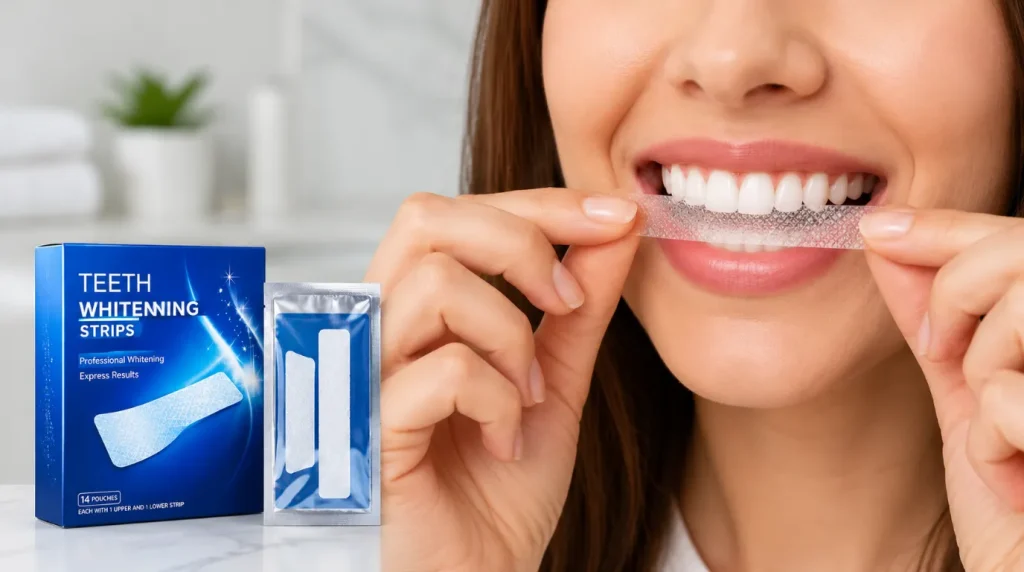
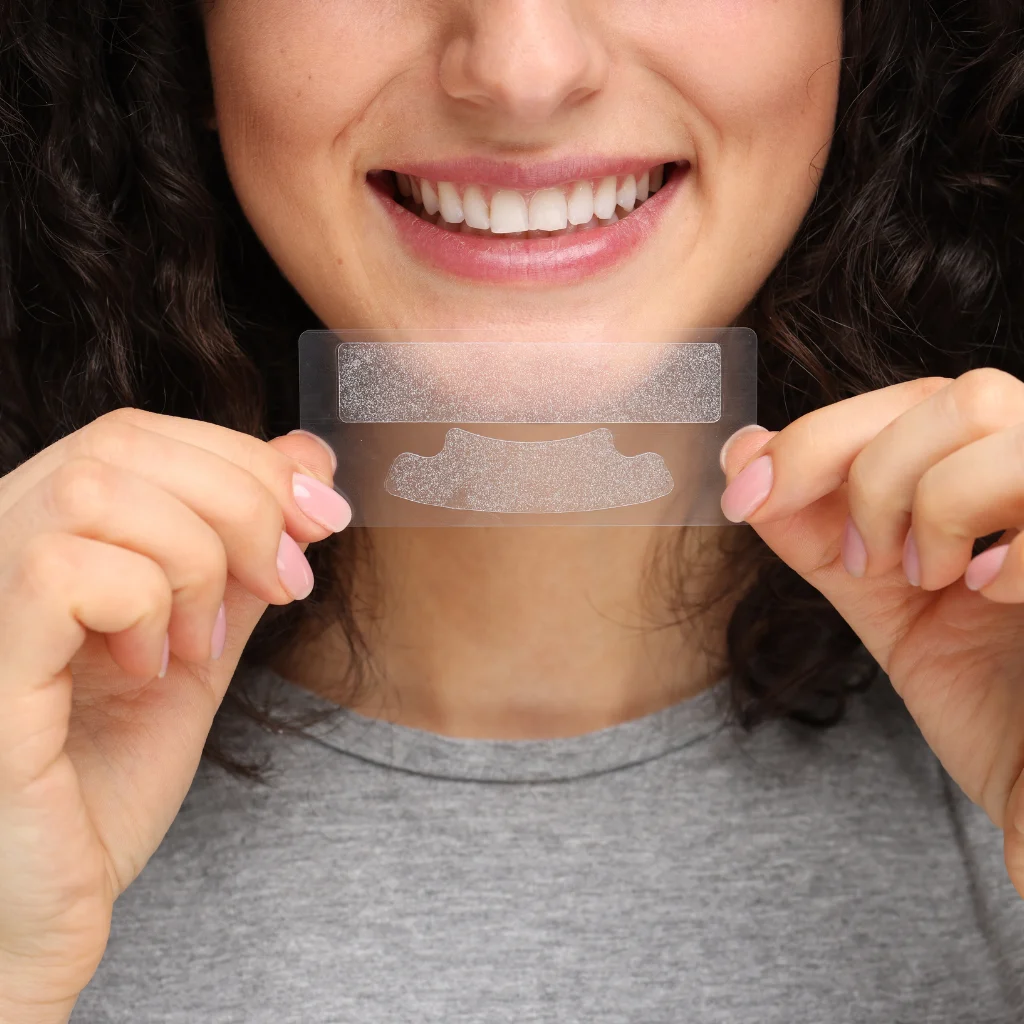
Teeth whitening strips are thin, flexible plastic strips coated with a whitening gel that is applied directly to the front surface of the teeth. The gel usually contains a safe bleaching ingredient, such as hydrogen peroxide or carbamide peroxide, which helps reduce mild stains and brighten the natural colour of your teeth over a series of applications.
When used as directed, they offer a convenient at-home option for people looking to improve the appearance of a dull or stained smile.
Do Teeth Whitening Strips work?
The short answer is yes, but with some important limitations.
If you’ve been asking do teeth whitening strips work, the answer depends on several factors, including the cause of your tooth discolouration, the ingredients used in the strips, and whether they’re applied correctly.
Most whitening strips can lighten natural teeth by one or two shades when used exactly as directed. They tend to work best on surface stains, especially those caused by:
- Tea
- Coffee
- Red wine
- Tobacco use
- Everyday food pigments
- Natural ageing
However, whitening strips cannot completely transform severely stained teeth, nor can they whiten crowns, veneers, fillings, or composite bonding.
Patients expecting a dramatic “Hollywood white” smile are often disappointed because over-the-counter products contain lower concentrations of whitening ingredients than treatments provided by dental professionals.
How do Teeth Whitening Strips work?
Whitening strips are made from thin, flexible plastic coated with a whitening gel.
The active ingredients are usually:
Ingredient | How It Works |
Hydrogen peroxide | Breaks down stain molecules inside the enamel |
Carbamide peroxide | Slowly releases hydrogen peroxide to whiten teeth over time |
Teeth whitening agents penetrate the outer enamel and break apart pigmented compounds responsible for staining. As those pigments become smaller, the teeth appear lighter.
Whitening strips work to remove both surface stains and stains underneath the surface of the tooth enamel, unlike whitening toothpaste. This means that there will be a more distinguishable color change in the teeth.
Do Teeth Whitening Strips actually work on all types of stains?
Not always. The cause of the staining makes a significant difference.
Whitening strips usually work well for:
- Yellow teeth caused by ageing
- Tea and coffee stains
- Smoking-related stains
- Mild everyday discolouration
They may be less effective for:
- Grey teeth
- Discolouration caused by trauma
- Staining from certain medications
- Fluorosis
- Internal tooth discolouration
- Heavy nicotine staining
If the colour change originates from within the tooth rather than the outer enamel, professional whitening or cosmetic treatments such as composite bonding or veneers may produce better results.
How long does it take to see results?
One of the reasons whitening strips remain popular is that improvements often appear fairly quickly.
Most users notice changes:
- Within 5 to 7 days
- After completing a treatment course of around two weeks
- With results lasting several months if good oral hygiene is maintained
The exact outcome depends on:
- The original shade of your teeth
- The concentration of the whitening ingredient
- Whether the strips are used consistently
- Your eating and drinking habits after treatment
Frequent exposure to coffee, tea, red wine, curry, or tobacco can shorten the lifespan of the results.
Who gets the best results?
Whitening strips are generally most successful for people who:
- Have healthy, natural teeth
- Have mild to moderate staining
- Have good oral hygiene
- Want a subtle improvement rather than a dramatic colour change
- Are you looking for an affordable home whitening option
If your teeth already have extensive restorations or uneven colouring, whitening strips may produce inconsistent results because only natural tooth enamel responds to the bleaching agents.
When Whitening Strips may not be the right choice
Although many people ask do whitening strips work, they’re not suitable for every smile.
They may not be the best option if you have:
- Sensitive teeth
- Gum disease
- Untreated tooth decay
- Worn enamel
- Cracked teeth
- Multiple crowns or veneers on your front teeth
- Significant intrinsic staining
In such cases, self-administered whitening products can make the teeth more sensitive or give an uneven whitening effect.
A dental examination before whitening can identify any underlying problems that should be treated first.
Pros and cons of Teeth Whitening Strips
Like any cosmetic dental treatment, whitening strips have both advantages and limitations. Understanding both can help you decide whether they’re the right choice for your smile.
Pros | Cons |
Affordable compared with professional whitening | Results are usually less dramatic than dentist-supervised whitening |
Easy to buy online or in pharmacies | May not work well on deep or internal stains |
Convenient to use at home | Can cause temporary tooth sensitivity |
Non-invasive treatment | Incorrect application may lead to uneven whitening |
Can improve mild surface stains | Does not whiten crowns, veneers, fillings or composite bonding |
Visible improvement within one to two weeks for many users | Results generally require maintenance over time |
Although whitening strips can freshen your smile, they are designed for mild cosmetic improvements rather than complete smile transformations. Patients looking for a brighter, more even result often benefit more from professional whitening provided under dental supervision.
Are Teeth Whitening Strips safe?
A common question dentists hear is, ‘’Do teeth whitening strips actually work without damaging your teeth?’’
When purchased from a reputable manufacturer and used exactly as instructed, whitening strips are generally considered safe for most adults with healthy teeth and gums.
Most products rely on hydrogen peroxide or carbamide peroxide, ingredients that have been widely used in professional and home whitening treatments for many years. These ingredients temporarily break down stain molecules without permanently altering healthy tooth structure when used appropriately.
However, safety also depends on the condition of your teeth before treatment. Whitening should always be avoided if you have:
- Active tooth decay
- Cracked teeth
- Untreated gum disease
- Exposed tooth roots
- Broken fillings
- Severe tooth sensitivity
A dental examination before whitening helps identify these problems and prevents unnecessary discomfort.
Possible side effects of Whitening Strips
Most side effects are mild and temporary, but they are worth considering before starting treatment.
Tooth sensitivity
Sensitivity is the most frequently reported side effect.
You may notice brief discomfort when drinking hot, cold or sweet beverages during treatment. In most cases, this settles within a few days after completing the whitening course.
Gum irritation
If the whitening gel comes into contact with the gums, it can cause temporary irritation or a mild burning sensation. Applying the strips carefully helps reduce this risk.
Uneven whitening
Since whitening strips are flat, they do not always adapt perfectly to every tooth. Teeth that are rotated, crowded or irregularly shaped may whiten unevenly because parts of the enamel receive less contact with the whitening gel.
Overuse
Using whitening strips more often than recommended will not produce faster results. Instead, excessive use may increase tooth sensitivity and irritate the gums. Always follow the manufacturer’s instructions and avoid repeated treatment courses without professional advice.
Teeth Whitening Strips vs Professional Teeth Whitening
If you’re deciding between home whitening products and professional treatment, the following comparison may help.
Feature | Whitening Strips | Professional Teeth Whitening |
Whitening strength | Mild to moderate | Moderate to significant |
Supervision | Self-applied | Dentist supervised |
Treatment plan | Standard for everyone | Tailored to your smile |
Suitable for deep stains | Limited | Yes |
Risk of uneven results | Higher | Minimal |
Results | One to two shades for many patients | Noticeably brighter, more predictable results |
Longevity | Up to six months with good care | Often longer with proper maintenance |
Professional whitening also allows your dentist to identify whether whitening is the most suitable treatment in the first place. Some patients are better candidates for composite bonding or veneers, especially if tooth shape, spacing or old restorations also affect the appearance of their smile.
How to keep your teeth whiter for longer
Regardless of the whitening method you choose, good habits will help maintain your results.
- Brush twice daily
Brush using a fluoride toothpaste and clean between your teeth every day to reduce plaque and surface staining.
- Reduce staining foods and drinks
Tea, coffee, red wine, fizzy drinks, curry, soy sauce and berries can gradually dull your smile. You don’t have to avoid them completely, but reducing frequent exposure can help.
- Rinse after dark-coloured drinks
Drinking water after coffee or tea helps wash away pigments before they settle on the enamel.
- Stop smoking
Smoking remains one of the leading causes of tooth discolouration. Quitting benefits not only your smile but also your overall oral health.
- Visit your dentist regularly
Routine examinations and professional hygiene appointments remove stubborn surface stains and help keep your teeth looking brighter for longer.
Why choose Mr Mohammed Talha Deliwala?
It is as crucial to choose the right clinician as it is to choose the right whitening treatment. Mr Mohammed Talha Deliwala provides treatment plans that result in beautiful, healthy smiles using natural methods.
Here’s what sets his approach apart:
- Over 13 years of clinical experience in aesthetic and restorative dentistry.
- Personalised smile assessments rather than recommending the same treatment for everyone.
- Expertise in professional teeth whitening, composite bonding, veneers and biomimetic restorations.
- Conservative treatment philosophy that preserves healthy tooth structure whenever possible.
- Honest advice on whether whitening alone will achieve your desired outcome.
- Careful shade selection to create bright yet natural-looking smiles.
- Modern digital smile planning for selected cosmetic treatments.
- Patient-focused consultations where every option is clearly explained before treatment.
Whether you’re considering whitening strips, dentist-led whitening or a complete smile enhancement, Mr Talha will recommend the option that best suits your teeth, expectations and long-term oral health.
Achieve a brighter smile with professional guidance
If you’ve been wondering, do teeth whitening strips work, the answer is yes, but only to a certain extent. They can be an effective choice for treating mild surface stains and refreshing your smile at home, provided they are used correctly and your teeth are healthy.
However, if you’re hoping for a more noticeable, longer-lasting transformation or have deeper discolouration, professional advice can make all the difference. A personalised assessment helps identify the cause of staining and ensures you receive the treatment that will deliver the safest and most natural-looking outcome.
Be it professional teeth whitening, composite bonding, or any other cosmetic treatment, Mr Deliwala takes the time to understand your goals and the most suitable treatment for you. His conservative, patient-centred approach is aimed at improving your smile while preserving your long-term oral health.

About the author
Mr Mohammed Talha Deliwala
BDS – Rajiv Gandhi University of Health Sciences
13+ Years Experience
3 Countries Practice Experience
GDC Registered Dental Therapist (UK)
Former Medical Director, Dubai
Expert in Cosmetic & Preventive Dentistry
Mr Mohammed Talha Deliwala is a UK-based dental therapist with over 13 years of clinical experience across India, the UAE, and the United Kingdom. He holds a Bachelor of Dental Surgery (BDS) from Rajiv Gandhi University of Health Sciences and specializes in preventive, restorative, and cosmetic dentistry, including teeth whitening, composite bonding, and periodontal therapy. Known for his patient-focused approach, he is committed to delivering comfortable, evidence-based dental care that promotes long-term oral health and confident smiles.
FAQs
No. The procedure is painless and usually does not require injections or anaesthetic.
Yes, composite resin can stain over time, especially with smoking and frequent consumption of staining foods or drinks.
Composite bonding is not permanent, but it is long-lasting with proper care.
It can improve the appearance of minor misalignment, but severe orthodontic issues may require Invisalign or braces.
The cost varies depending on the number of teeth treated and the complexity of the case. A personalised consultation is the best way to receive an accurate quote.