
Bad Composite Bonding: Signs, Causes, and How to Fix It
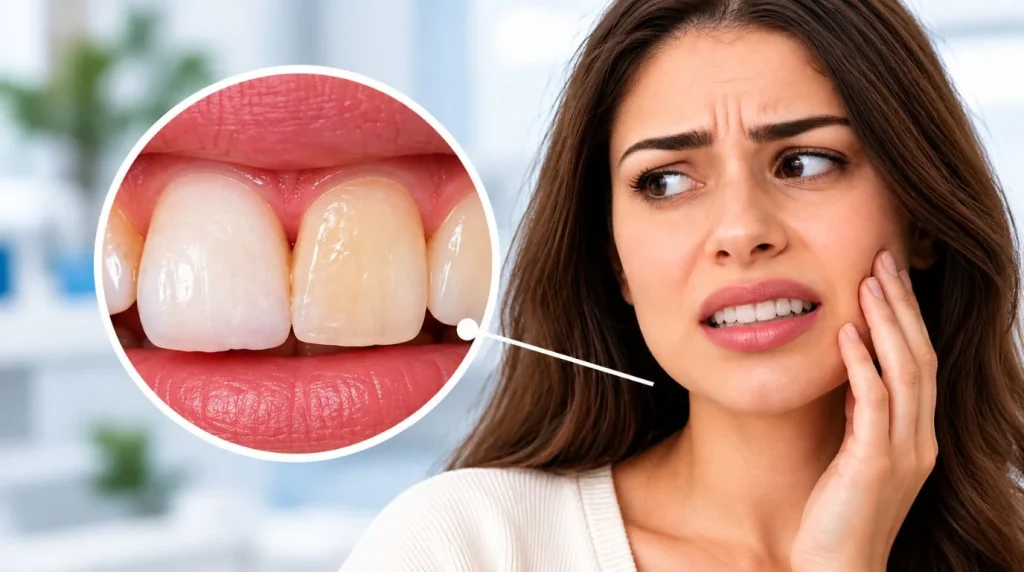
If your composite bonding looks bulky, uneven, discoloured or simply different from what you expected, you may be wondering whether something has gone wrong. Bad composite bonding can be frustrating, particularly when you were hoping for a natural-looking improvement to your smile.
The good news is that not every problem means the bonding needs to be completely replaced. Depending on the cause, it may be possible to polish, reshape, repair or replace the composite after your teeth and existing bonding have been properly assessed.
Mr Mohammed Talha Deliwala, a GDC-registered dental therapist in Cambridge with a special interest in minimally invasive restorative and cosmetic treatment, explains the bad composite bonding signs, common causes, treatment options and what you can do if you are unhappy with your results.
What does bad composite bonding look like?
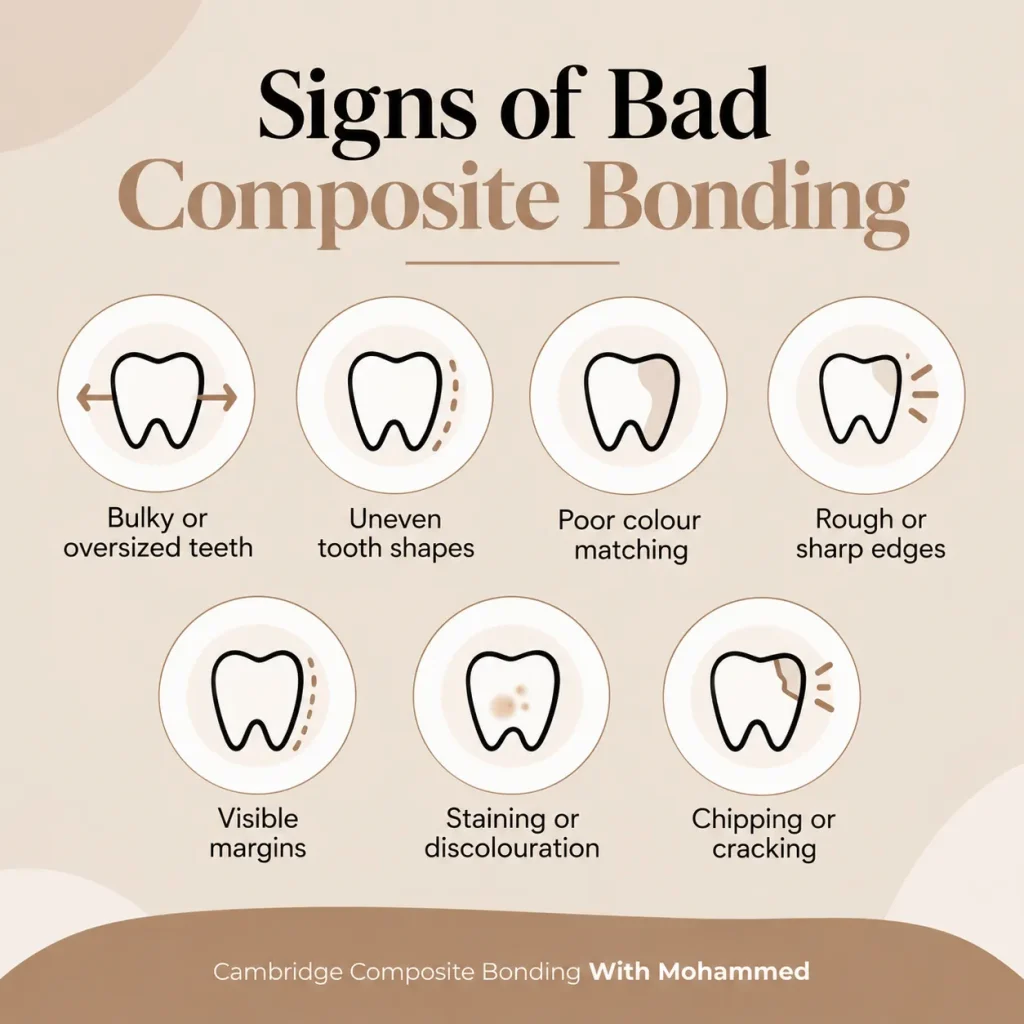
Composite bonding is designed to blend with the natural teeth and restore or alter their shape, colour or contour. When the result is not well matched to the surrounding teeth or does not suit the patient’s bite and facial proportions, the difference can be noticeable. Common signs of bad composite bonding include:
- Bulky or oversized teeth: Too much composite can make teeth appear wider or thicker than intended.
- Uneven tooth shapes: Differences in length, width or contour can make the smile look irregular.
- Poor colour matching: A composite that is noticeably too white, too opaque or different from neighbouring teeth may stand out.
- Rough or sharp edges: Inadequate finishing can leave surfaces that feel uncomfortable against the tongue or lips.
- Visible margins: The transition between composite and natural tooth may be noticeable if the material does not blend smoothly.
- Staining or discolouration: Composite can become stained over time, particularly around margins or rough surfaces.
- Chipping or cracking: Bonding can fracture or wear, especially when exposed to heavy biting forces.
- Changes to your bite: Excess material or an unsuitable shape can affect how the teeth come together.
Not every cosmetic difference means the bonding was poorly performed. Teeth and composites can change over time, so an assessment is important before deciding what needs to be corrected.
What causes bad composite bonding?
There is no single reason why composite bonding may not look or feel right. Some problems develop soon after treatment, while others appear gradually as the material wears or the teeth change.
Common bad composite bonding causes include:
- Poor treatment planning: The shape, proportions and condition of the teeth need to be considered before bonding is placed.
- Incorrect shade selection: Composite needs to work with the surrounding teeth and the patient’s natural tooth colour.
- Too much composite: Excess material can create bulky contours or affect the bite.
- Inadequate shaping: Composite needs careful contouring to follow the natural anatomy of the tooth.
- Insufficient polishing: A rough or poorly polished surface may feel uncomfortable and can be more prone to staining.
- Bite-related pressure: Clenching, grinding or heavy contact between teeth can increase the risk of chipping or wear.
- Unsuitable case selection: Composite bonding is not appropriate for every dental problem or every patient.
- Poor oral health: Existing decay or other dental problems should be identified and addressed before elective cosmetic treatment, where appropriate.
The GDC has highlighted the importance of appropriate assessment, case selection, consent and treatment planning when providing composite bonding.
What should you do if you have bad composite bonding?
If you are unhappy with your composite bonding, avoid trying to file, cut or polish it yourself. Removing material at home can damage the natural tooth underneath or make the problem more difficult to correct. Until you can have the bonding assessed:
- Avoid biting hard foods directly with the affected teeth.
- Do not attempt to reshape the composite yourself.
- Continue brushing gently with fluoride toothpaste.
- Avoid using the bonded teeth to open packaging or bite objects.
- Make a note of any sensitivity, pain or changes to your bite.
- If a piece of composite has chipped, keep the area clean and arrange an assessment.
The first step is to determine whether the concern is mainly cosmetic or whether there is an underlying dental problem that also needs attention.
How to fix bad composite bonding?
The right approach depends on what has caused the problem and how much natural tooth structure and existing composite are present.
1. Polishing and reshaping
Minor problems may sometimes be corrected by carefully adjusting the existing composite.
This can be useful when the bonding is slightly rough, has a small excess of material or needs refinement to improve its contour. Removing a small amount of composite can sometimes make a noticeable difference without replacing the entire restoration.
- Suitable for minor contour problems
- Can improve surface smoothness
- May reduce small areas of excess material
- Preserves the existing bonding where appropriate
2. Repairing chipped composite
If only part of the bonding has chipped or fractured, the damaged area may sometimes be repaired rather than replacing the entire restoration.
The existing composite and surrounding tooth are assessed first. If repair is appropriate, additional tooth-coloured composite can be shaped and finished to restore the area.
- Useful for selected chips or localised damage
- May require less treatment than complete replacement
- Can restore tooth shape and appearance
- Depends on the condition of the existing bonding
3. Removing and replacing composite
When the bonding is significantly uneven, poorly matched, heavily stained or unsuitable for further adjustment, removal and replacement may be considered.
The existing material is carefully assessed and, where appropriate, removed before a new treatment plan is created. The aim is not simply to add more composite, but to understand why the original result was unsatisfactory and address the underlying issue.
- Appropriate for more significant aesthetic problems
- Allows the tooth shape and proportions to be reassessed
- Provides an opportunity to reconsider shade and contour
- Treatment depends on the condition of the natural tooth
4. Treating an underlying dental problem
Sometimes what appears to be a problem with the bonding is actually related to the tooth underneath. Decay, damage, bite problems or other dental conditions may need to be assessed before cosmetic bonding is repaired or replaced.
Can bad composite bonding be removed?
In many cases, existing composites can be adjusted or removed, but the safest approach depends on how it was placed and the condition of the natural tooth underneath.
Composite bonding is designed to adhere to the tooth, so removal should not be attempted at home with files, nail tools or other abrasive materials. An assessment allows the existing material, tooth structure and bite to be considered before deciding whether polishing, repair or replacement is appropriate.
How can you avoid bad composite bonding?
Good planning is just as important as the bonding procedure itself. You can help reduce the risk of problems by:
- Discussing the shape and shade you want before treatment.
- Making sure your existing dental health is assessed.
- Asking how the proposed bonding will affect your bite.
- Following advice about eating and caring for the bonded teeth.
- Avoid habits that put excessive pressure on your teeth.
- Returning for assessment if you notice chipping, roughness or changes in your bite.
- Choosing a registered dental professional who works within their training, competence and scope of practice.
Composite bonding can be minimally invasive, but that does not mean every case is straightforward. Careful assessment and appropriate case selection remain important parts of treatment planning.

What if Composite Bonding results are not as expected?
If your bonding does not look how you expected, the first step is to have it assessed rather than immediately adding more material. The assessment can look at:
- The shape and proportions of the teeth
- Composite thickness and contours
- Colour and translucency
- The condition of the bonding
- Your bite and tooth contacts
- The health of the natural teeth underneath
- Whether repair, adjustment or replacement is appropriate
In some cases, a relatively small adjustment can improve the appearance. In others, removing the existing bonding and starting again may be more suitable.
Why choose Mr Mohammed Talha Deliwala for composite bonding?
Correcting unsatisfactory bonding is not simply about making teeth look whiter or adding more composite. The existing material, natural tooth structure, proportions, colour, contours, and bite all need to be considered before deciding what should happen next.
Mr Mohammed Talha Deliwala offers:
- A special interest in minimally invasive restorative and cosmetic treatment.
- An approach focused on preserving natural tooth structure where appropriate.
- Careful consideration of tooth shape, colour and proportions.
- Assessment of the existing composite before recommending further treatment.

About the author
Mr Mohammed Talha Deliwala
BDS – Rajiv Gandhi University of Health Sciences
13+ Years Experience
3 Countries Practice Experience
GDC Registered Dental Therapist (UK)
Former Medical Director, Dubai
Expert in Cosmetic & Preventive Dentistry
Mr Mohammed Talha Deliwala is a UK-based dental therapist with over 13 years of clinical experience across India, the UAE, and the United Kingdom. He holds a Bachelor of Dental Surgery (BDS) from Rajiv Gandhi University of Health Sciences and specializes in preventive, restorative, and cosmetic dentistry, including teeth whitening, composite bonding, and periodontal therapy. Known for his patient-focused approach, he is committed to delivering comfortable, evidence-based dental care that promotes long-term oral health and confident smiles.
FAQs
Common bad composite bonding signs include bulky or uneven teeth, poor colour matching, rough edges, visible margins, staining, chipping and changes to your bite. These changes do not always mean the bonding was poorly placed, as composite can wear or stain over time. An assessment can determine whether polishing, reshaping, repair or replacement is appropriate.
Common bad composite bonding causes include poor treatment planning, incorrect shade selection, excessive composite, unsuitable contours and inadequate finishing or polishing. Clenching and grinding can also contribute to chipping and wear. Existing decay or other dental problems may affect the result if they are not identified before treatment.
The right treatment depends on the problem. Minor roughness or excess material may be improved through polishing or reshaping, while chipped areas may be repaired. More significant problems may require removal and replacement. If an underlying dental issue is present, this should be addressed first. An assessment is important before deciding how to fix bad composite bonding.
Yes, bad composite bonding can sometimes be removed and replaced when adjustment or repair is unsuitable. The condition of the existing material and natural tooth needs to be assessed first. Removal should be carried out carefully rather than attempted at home, as aggressive filing or scraping may damage the tooth. A new treatment plan can then consider the desired shape, shade, contours and bite.
Careful planning and good aftercare can help reduce the risk of problems. Discuss the desired tooth shape and shade before treatment, and make sure your teeth and bite are assessed. Avoid biting hard objects or using your teeth as tools, and maintain good oral hygiene. If you grind or clench your teeth, ask whether additional protection may be appropriate.